The Torch, the Tone, and the 47 Bells Standing Between Ohio Choirs and Christmas Eve
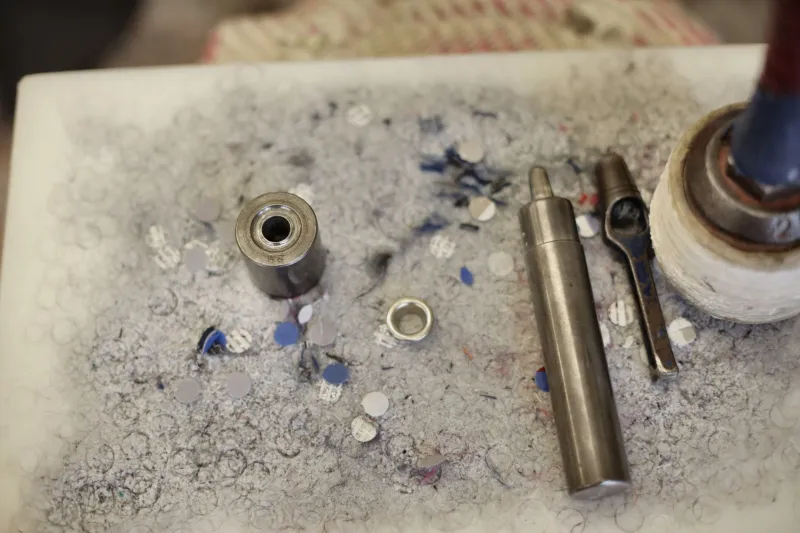
MANSFIELD, Ohio — The shop behind Ron Detweiler's house smells like coffee, brass polish, and the hot-metal ghost of a thousand welding jobs. On a gray November afternoon, a folding table near the door holds 47 handbells, each with a paper tag, a complaint, and a church name written in someone else's handwriting.
Advent 2026 begins Nov. 29. Christmas Eve is 46 days out. Detweiler, a retired machinist who has been fixing handbells out of this shop for the better part of a decade, does not need a calendar to know that. He has a ledger.
The Ledger on the Folding Table
The ledger is a spiral notebook with a coffee ring on the cover. Each line reads like a tiny medical chart: pitch, church, symptom, status. F5, First Methodist in Shelby, hairline crack near the rim. C6, a choir in Ashland, wonky overtone after a drop. G4, Bellville, dented strike point and a ringer who swears it was not her. One bell from a Columbus church arrived wrapped in a bath towel and a prayer.
Detweiler works the table from left to right, triaging by deadline instead of pitch. The bells needed for the first Sunday of Advent go first. Then the ones slated for Christmas Eve. The rest wait in plastic bins under the bench, tagged and patient.
He is not a bellfounder. He is not a church musician. He is a machinist who learned to braze in the 1980s, spent decades holding tolerances for farm equipment and industrial pumps, and now applies the same habits to objects that are supposed to make people cry in pews.
What a Cracked Bell Actually Needs
A cracked handbell is not a simple welding job. The bronze — usually about 80 percent copper and 20 percent tin — does not heal like steel. A crack can stop-drill at the tip, but the repair has to preserve the strike point, the rim, and the bell's ability to bloom instead of clang.
Detweiler starts by cleaning the crack with a carbide burr and a magnifier. Then he drills a tiny stop hole to keep the crack from traveling. If the crack is in a low-stress spot, he may braze it. If it is near the strike zone, he is more cautious. Heat can change the temper. A repair that looks fine on the bench can sound like a trash-can lid in a sanctuary.
Tuning is the slower part. He checks the bell against a tuner, then against his ear, then against the other bells in the set. Handbells are not solo instruments. A set has to blend. One bell that is perfectly in tune but too bright or too dead can make the whole choir sound like it is ringing through a wet sock.
To bring a bell back into pitch, he often removes tiny amounts of metal from the inside with a lathe. He measures in thousandths. He stops, rings, listens, and goes back. A single bell can take an hour. A stubborn one can take three.
He keeps a shelf of donor bells — cracked, retired, beyond saving — for bronze patches and experimental stock. Matching old bronze to new bronze is part science and part instinct. The goal is not a bell that looks repaired. The goal is a bell that disappears into the chord.
The Relay of Hatchbacks and Church Basements
The other half of the operation is logistics. Detweiler does not advertise. Word travels through choir directors, denominational gatherings, and the kind of church-basement gossip network that knows who has a tuning lathe and who does not.
A retired teacher from Lexington drives a route that touches Shelby, Bellville, and Butler. A choir director in Wooster picks up bells when she visits her sister in Mansfield. One courier is a UPS driver who has learned to text before he swings through. None of them are paid. Most of them leave with a bell or two in a padded cooler and return a week later with another broken one and a pie.
Detweiler calls it the bell relay. It is not formal. It is not insured. It is, however, the reason a cracked bell from Mount Vernon can get to Mansfield on a Tuesday and be back in a rehearsal room by Sunday.
The church basements are the staging grounds. Bells get wrapped in towels, stacked in copy-paper boxes, and labeled with masking tape. Sometimes they come with a note: Please hurry. Sometimes they come with a check. Detweiler cashes the checks for parts and returns the rest in the form of free repairs for small churches that cannot afford a real restoration.
Why He Doesn't Just Say No
Detweiler is 71. He has a wife who would like him to eat dinner before 9 p.m. He has a shop radio that stays on the oldies station and a dog named Pepper who sleeps through the torch. He could close the ledger. He has tried.
But every November, the calls start. A choir needs one more bell for a descant. A ringer dropped a C5 during practice. A church that has been ringing the same set since the 1970s cannot find anyone else who will touch them.
He understands the deadline in a way a catalog repair shop cannot. Advent is not a vague shipping window. It is four Sundays, a candlelight service, and a room full of people who have been practicing since September. A bell that arrives on Dec. 26 is a bell that failed.
So he works nights. He drinks coffee. He rings each repair against a tuning fork, then against the set, then against the silence of the shop. The 47-bell pile will shrink. It always does. By Christmas Eve, most of them will be back in their cases, moving through the relay of hatchbacks and church basements toward someone's candlelit sanctuary.
That is the odd hobby in a nutshell: a retired machinist, a torch, a lathe, and a notebook full of other people's deadlines. No one would call it glamorous. But if you have ever heard a handbell choir land a chord on Christmas Eve, you know exactly why he keeps the shop light on.